Queens designer Jamal Braimah tells culture stories through nostalgic streetwear brand Western Elders
“I would say it feels like I’m speaking Ga with a New York accent.”
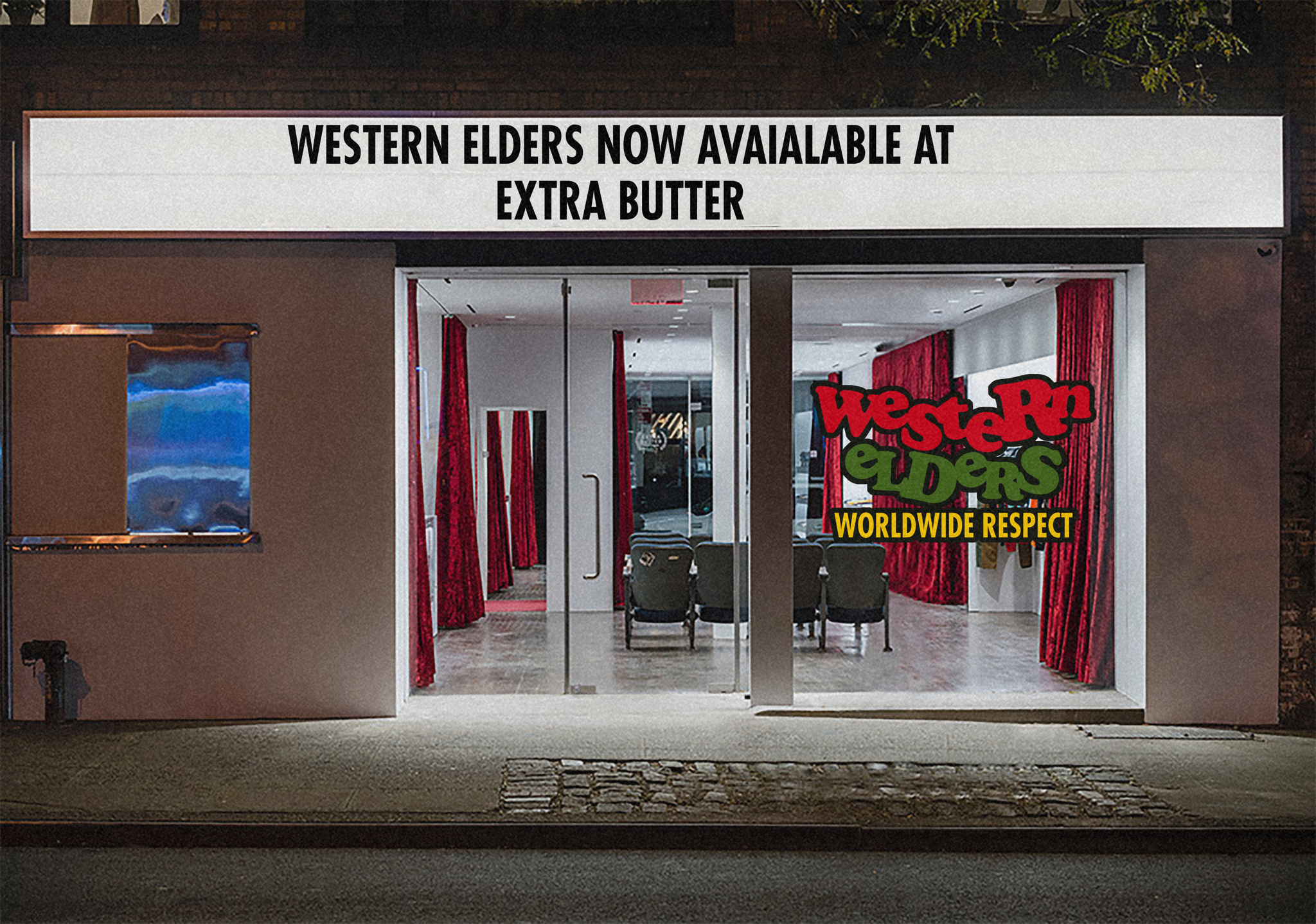
Before the inception of his streetwear clothing brand Western Elders, Queens native Jamal Braimah spent his days fixing planes at LaGuardia Airport. In 2017, the Ghanaian-American designer set out to start a brand that represented the amalgamation of his two cultures. Fast forward four years—his brand has been highlighted by the likes of GQ Britain and Esquire, while his pieces can be found on shelves at Foot Locker and Extra Butter.
We recently caught up with Braimah, who shared with us his journey to Western Elders, his respect for Black history, and his stories of “the old Soho.”
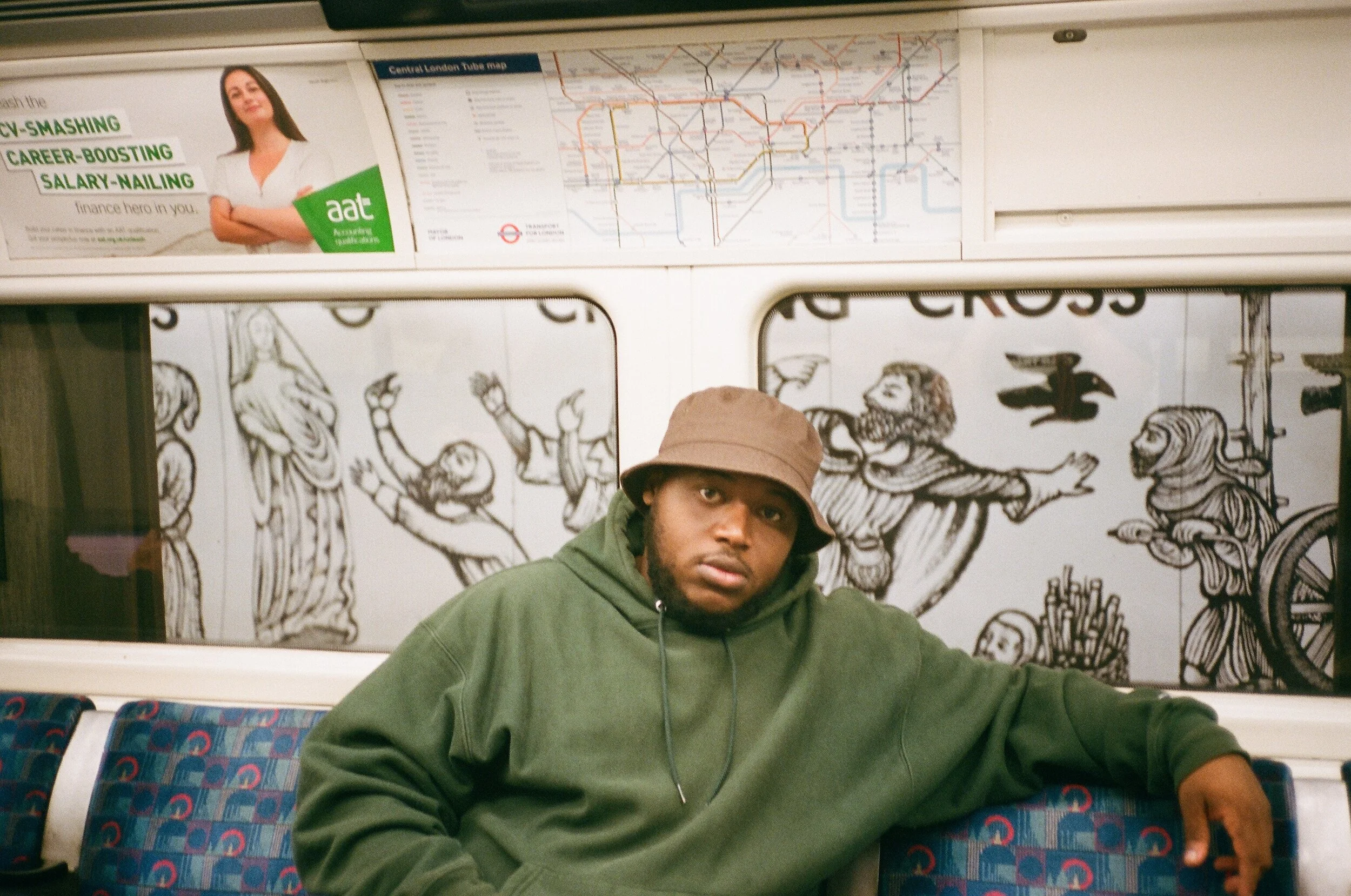
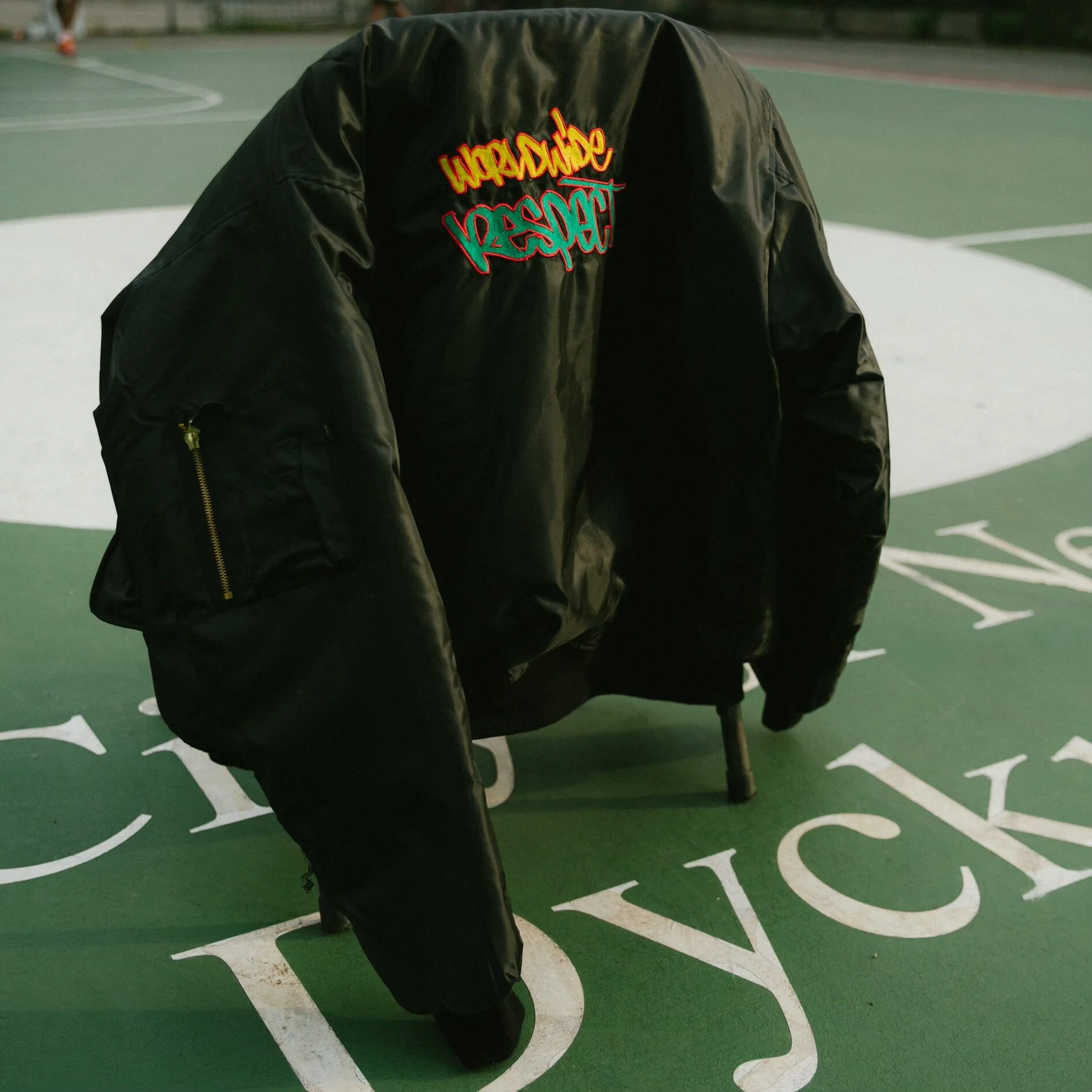
All images courtesy of Western Elders.
Before we delve into questions, please let the readers know who you are, where you’re from and when the brand got started.
My name’s Jamal Braimah. I’m from Lefrak City in Queens. I started Western Elders in 2017. We’re here ‘til forever.
The slogan for Western Elders is “Built by Africa, made in New York.” In which ways are your Ghanaian roots and New York upbringing stitched into the brand?
It’s more about the values that we learn back home and that come from our culture, but I would say it feels like I’m speaking Ga with a New York accent. I’m keeping those same elements that I’ve learned while being at home and understanding where we come from and who we are—looking at carvings and paintings and understanding the stories told through fabric. There are so many intricacies.
But growing up in New York, I saw the way we learned how to remix those things. Think of hip-hop. People aren’t realizing how deep it can go. A soul sample can have a gospel reference, and that gospel reference can also stem from highlife. It becomes this big web of knowing each of those things are coming from home. From noticing that, I developed a knack for how those things have been repackaged. After drawing that parallel, I tried to find a way to use that to my advantage and tell the stories I wanted to.
All through clothing.
Yeah. In the brand deck that I created, it shows that I based the brand on the Adinkra symbol “Sankofa.” It’s about knowing your past to know where you’re going. It’s the bird placing its egg on its back. Basically, let me show where these wings went so you know which way you should and shouldn’t fly. Our elders came before us and made this easier. They cleared out a path and a nice little groove in this dirt for us. Sometimes we try to go against that, but you find yourself going deeper into that groove. You’re only getting closer to yourself.
“It’s about knowing your past to know where you’re going.”
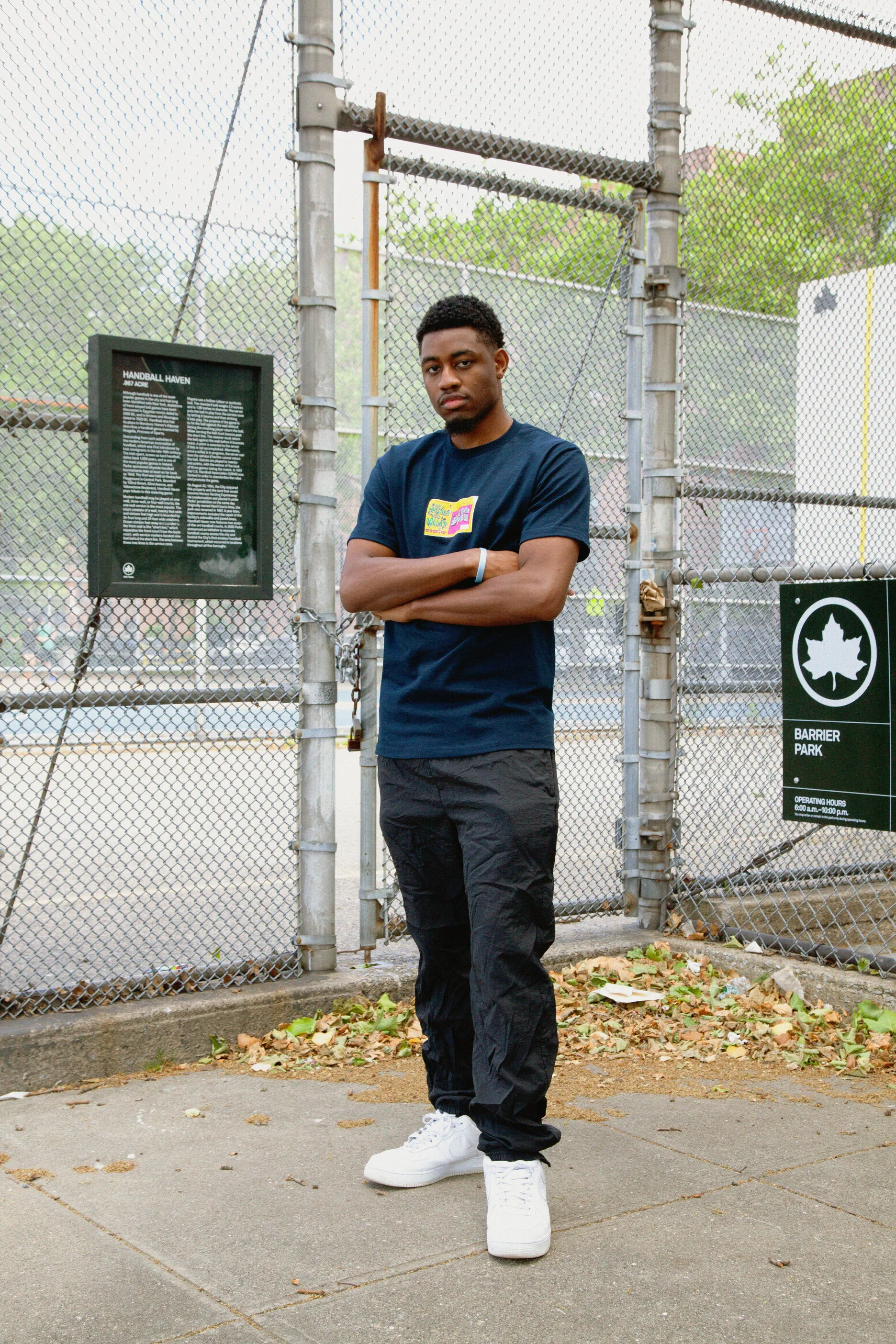
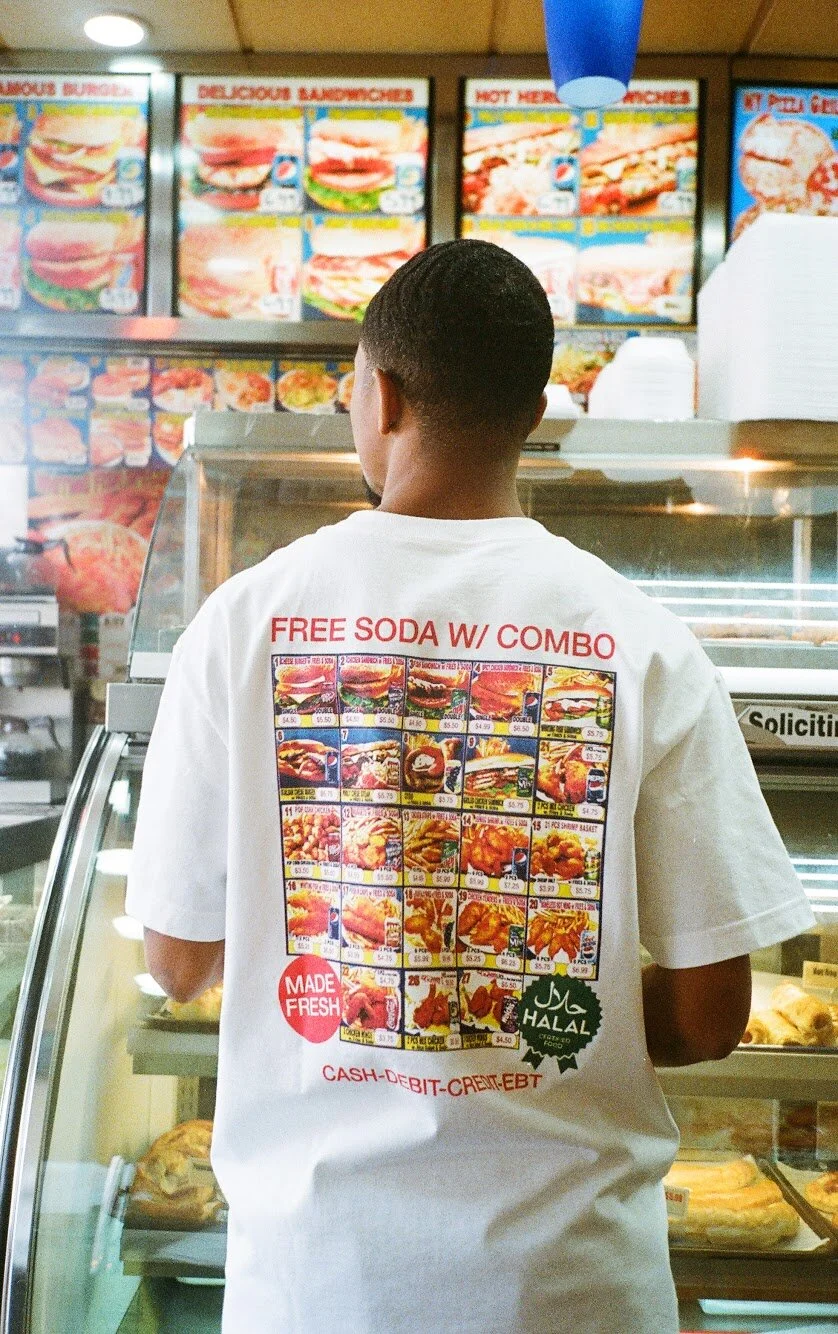
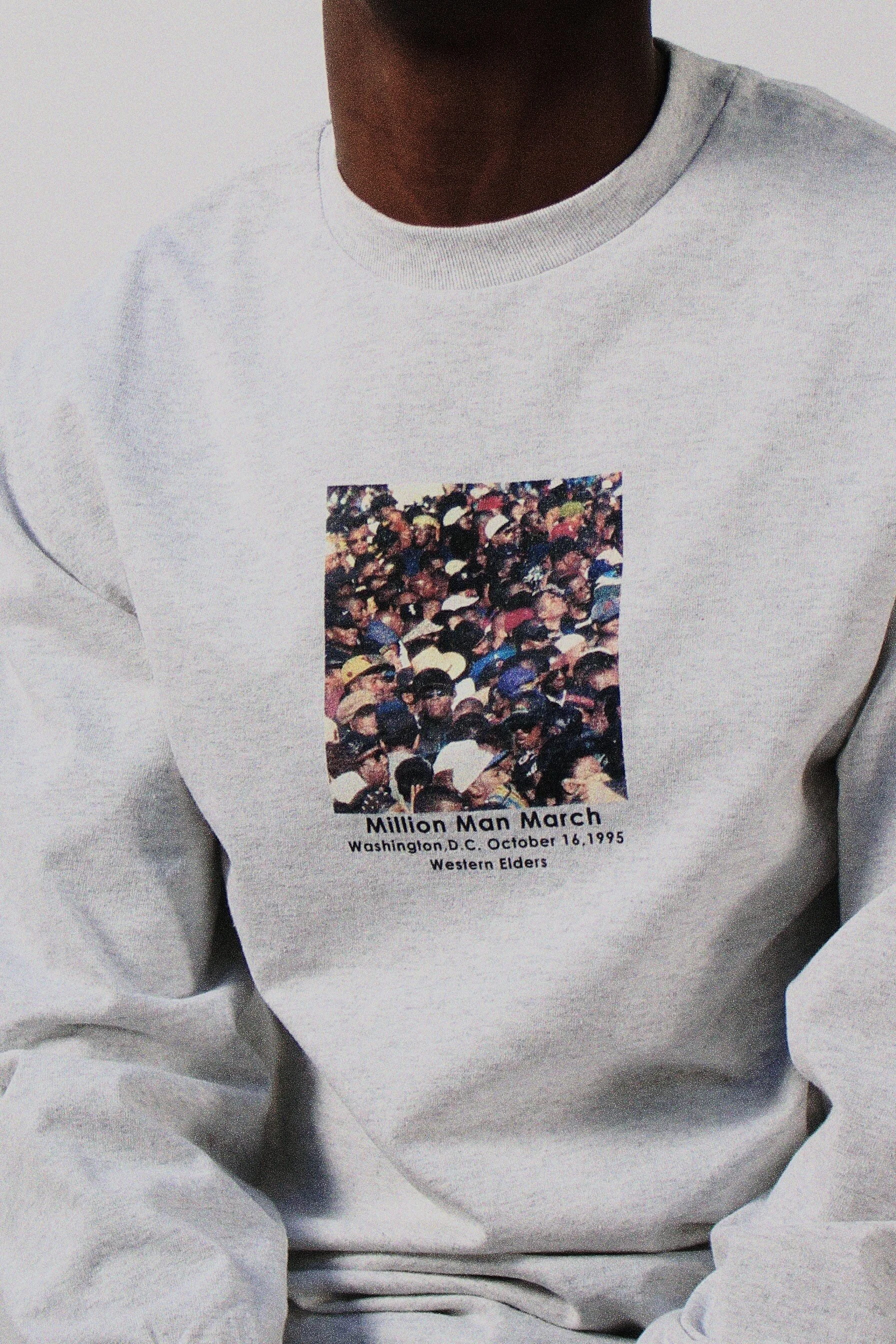
I noticed that Western Elders pieces are often accented by strong nostalgic Black images and themes. What led you to lean in that direction?
Just being myself. Anybody who knows me personally knows the things you see on the graphics, the stories I tell, and the ideas I put out are an extension of conversations I have regularly. These are things that I talk about with my family and friends, you know? It’s truly me being me.
I started the brand at a point when I felt like—number one, I’m a bigger dude so clothes weren’t fitting the way I wanted them to. I wasn’t feeling the European shit. I wanted to wear Carhartt and Champion sweats all of the time. I also felt like a lot of brands got stale. I felt like it got to a point that people were chasing style more than creating it. That’s not a knock to anybody. Things go in a cycle. Eventually brands start to catch a trend because somebody sets a pace and people are trying to keep up.
So, I felt like I personally needed something different. I used to love streetwear so much, but then I found myself starting to get a wrestling-is-fake type of feeling. I’m looking at streetwear like “Damn, what happened to you? You used to be so different.” With that said, I started the brand out of necessity. While I felt like creating a brand was necessary for myself—and my peace of mind, given where I was at—the statements that I put on the clothing were necessary for the world.
The pandemic has forced creatives to find new inspiration and new ways to connect with their audiences. How has it impacted your creativity or productivity?
My creativity’s been impacted a lot. It’s a little tough. I get a lot of inspiration from people—not to say I have to go out and talk to a stranger, but I need to feel that energy from people in general. It helps my thoughts flow and allows me to take the tape all the way off of the box as opposed to ripping the box flat from under the tape. That’s what it feels like sometimes.
Being in the house and having to sit still has definitely put a damper on my creative light. If I’m being honest, it’s been a tough year, but it’s been so balanced. Personally speaking, a lot of great things have happened. Some pretty bad things have happened too, but I try to take them as they come and not harp on them too much.
I try to understand that things are circumstantial and take it one day at a time. I try to have an evenly balanced outlook on life. Although this pandemic sucks right now, I’ve kept the light on for myself.
In addition to being housed on your website, Western Elders can be purchased at Foot Locker and Extra Butter. What did the process of finding stockists look like for you? How have you nurtured those relationships since they’ve agreed to carry the brand?
Not to say I was blindsided by all of this, but I was just putting my shots up—just doing what I felt like I needed to do. I keep pushing myself to get better at designing. I keep pushing myself to find better products and learn how to make better products. I’m making the most out of my means and working on making the brand feel like a real brand to myself.
And like I said earlier, a lot of this comes from me being outside. I was always downtown, no matter what. I worked at LaGuardia [Airport] fixing planes. My work day started at 5am, and I’d get home around 4:30pm. I’d hop in the shower and take the LIRR to get downtown to make sure I knew what was going on at all of these places that I wanted to be in.
Before I had the brand, I would make sure the people at Extra Butter knew who I was. That’s just who I am. I was hanging out downtown because I love the city. You know what the old SoHo was like—and the old Lower East Side. I would just be downtown developing natural relationships with these places and people would understand where I’m coming from.
I definitely like that all of these relationships came about organically. It’s just people seeing the brand, understanding that it’s going somewhere, and deciding they’d rather open the doors instead of standing in the way of it. It’s been pretty cool because everybody’s been very encouraging and supportive. I haven’t really experienced any of those industry horror stories that people would expect. As long as you go in with the right intentions—as far as knowing what your relationships are with these brands and places—you realize that it’s just people and that’s it. Like I said, I take it one day at a time, my left before my right, you know? I can talk to a guy, and he’s a buyer who likes my shirt. It’s so funny man.
To be honest with you, I don’t know what I’m doing.I tell people that all of the time. There’s no secret here. I’m just shooting the ball. Thank God it goes in. I just believe in it when I shoot it. That’s it. Luckily for me, it’s been falling. Other people saw the shots and wanted to follow right behind it. I’m super appreciative of that.
“For me, it goes back to Sankofa. Learning from the past.”
In response to this past summer's uprisings against racism and police brutality, smaller independent brands picked up the slack where larger brands fell short, making pieces that reflected the times and giving back to the cause. To you, what role does streetwear play in affecting or representing our social climate?
That’s a good question. You know, I’d like to say it doesn’t, but it does. It does—but as a medium. At the end of the day, before the Black awakening we had this year, these were the conversations I was having. These were the pieces I was still making. These were the pieces I was putting out for the people to see. It’s always been that conduit.
I’ve always looked at how we’ve seen brands like Supreme and Alife pull from small niche parts of the culture that we know because we’re outside. They picked somebody like Rammellzee—that’s a New York street legend—and did a collab with him. Now [they’ve] taken this thing that’s niche to us and put it on the grand stage for the world to know. I’ve always remembered those types of situations.
For me, it goes back to Sankofa. Learning from the past. Who did it first? How did they do it? If anyone can put a nonsense message on a shirt, why can’t I put a message that means the world to me on it? Streetwear’s been a great medium because people take pride in what they wear. If I can have our people be proud of who we are and in our values, it can happen in all of the little ways. We can go into Old Navy and buy all types of Americana. That should be normalized, but for us.
We should be able to walk outside and say here’s a brand that literally represents me, looks like me, and makes me feel like me when I put it on. And on top of that, it’s fly and high-quality. But yeah, it’s a great medium to tell a story and put enough candy in the medicine for people to accept it.
One thing my homie told that kind of stopped me in my tracks is that we’re all walking billboards. We’re not always conscious of how many brands we’re representing when we leave the house.
Whether you’re conscious of it or not, [clothes] start conversations. That’s the best part. That’s my whole goal. I’ll put it right at the rim for you. I can’t do all of the work, but I’ll put right here for you to see and know I’m thinking about it just like you are.
As someone whose brand has accomplished so much in such a short period of time, what does support look like to you? From your community? From your team? Do you have a team?
Support from family and friends is always overwhelming—I can never be thankful enough for that—but I don’t have much of a team. It’s just me.
I’ll be real with you, bro. The words “I want to start a streetwear brand” came to me when I was working at Zumiez. I thought it was impossible because I was broke and I’m getting three days a week at this bullshit job. The words “Western Elders” popped into my head, but I felt like it was hard for people to get, so I tucked it for the meantime.
A year later, I’m fixing fighter jet engines in Long Island, and I’m making some money. I’m thinking to myself, “Fuck it. I want to do a denim brand. Fuck streetwear, I can do selvedge. I have some money now.” I start trying it out and I realize I can’t do it. Another year and a half later, I’m working the night shift at Amtrak. Worst job of my life. Borderline depressed. At that point I was thinking, “Whatever. I’ll just spend the 10 dollars.” That right there was literally the best thought I’ve ever had in my life, bro.
I downloaded Photoshop and just started clicking buttons. And here we are. That’s the whole story! After that, I don’t know what the fuck happened. The rest just happened. I really didn’t know where I was going. I just knew I wanted to start designing, and then I started asking around for a printer. Before you knew it—it wasn’t my intention to be a one-man show—things just happened this way. Especially because I live this. The story I’m trying to tell was literally my firsthand account. Who better than me to cook this meal from start to finish?
In the future, do you plan on adding to the team? Or are you taking your time, in terms of welcoming people into the fold of the brand?
Yeah, of course. I have friends that help me—one of my good friends is my photographer. He takes product shots and does all of the lifestyle looks for me. I have a friend who helps with me wholesale. He markets to a lot of people. So, I’ve been developing that pattern step-by-step. Not really trying to over scramble the egg. I’m taking everything nice and easy.
After surviving the year that we’ve just had, what are some of the future plans you have for Western Elders?
That’s a weird question to me. I never know how to answer it.
“Now I have my game. I have my rhythm, my shots.”
The future part?
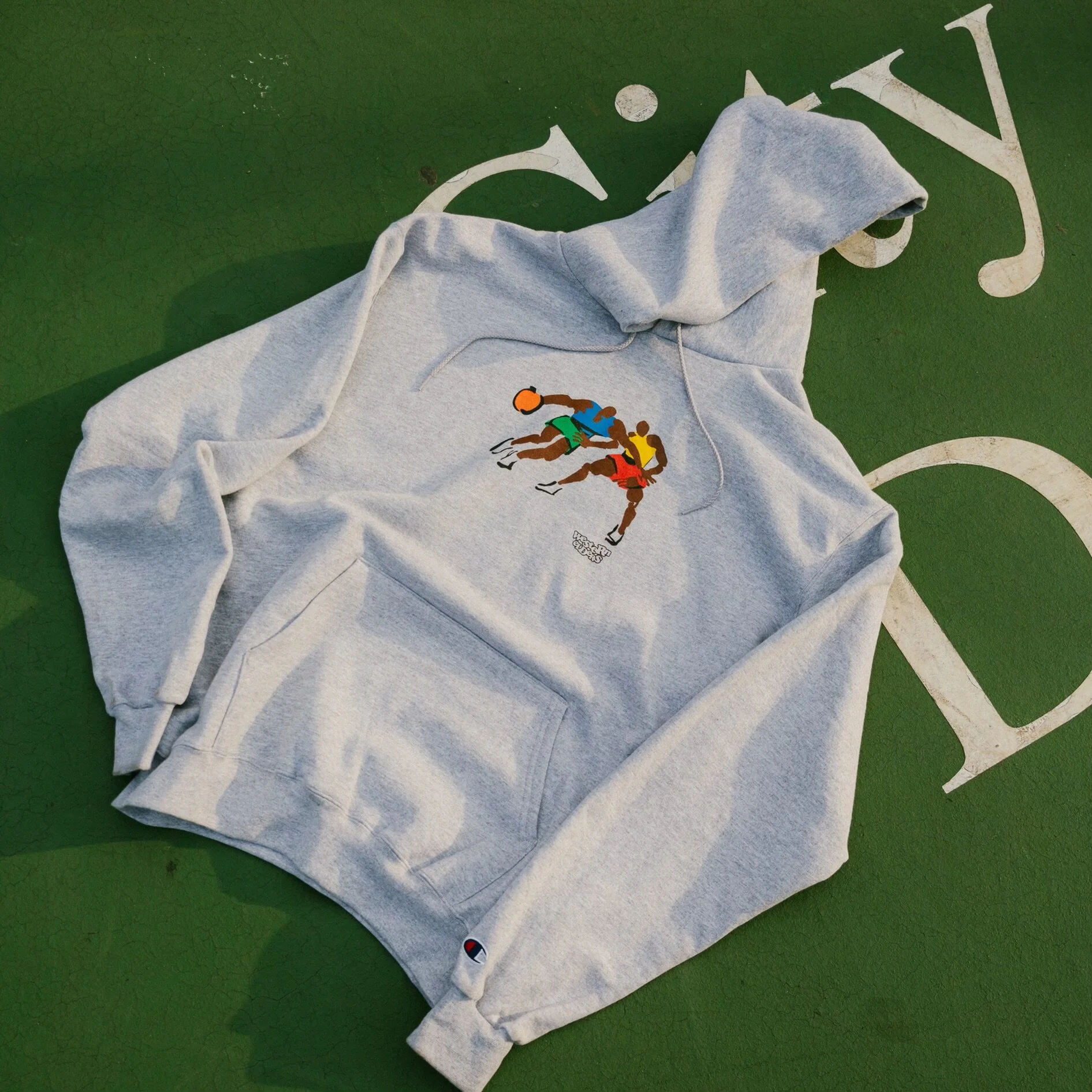
Yeah, because you never really know. You just know what you want. At the very least, I have a lot of fire products and better quality on the way. I’m learning the game a little more. Better yet, learning my game a little more. I knew how to make a layup and shoot midrange, and I knew what a three pointer was, but now I have my game. I have my rhythm, my shots.
Right now, I’m steadying our flow, continuing to push our message, and looking out for our people. I’m really focusing on us. If this year has taught us anything, it’s that we should huddle in a little bit tighter than we thought. And Western Elders is definitely here to provide that place for people to huddle up.