
BTFA Collective founder Jordyn Jay imagines new presents and futures
Written by Golden
What is trans if not imagination, freedom work—if not telling the world, “You don’t own my future”? Black trans femmes, whether collectively through mutual aid or by simply sharing a mirror, have always been our own balm when the world tries to tell us what we can and cannot do, who we can and cannot become.
Good thing Jordyn Jay, founder and executive director of Black Trans Femmes in the Arts (BTFA) Collective, never listened to those who told her who she was, what she could do, and what community she could create, now, in this world.
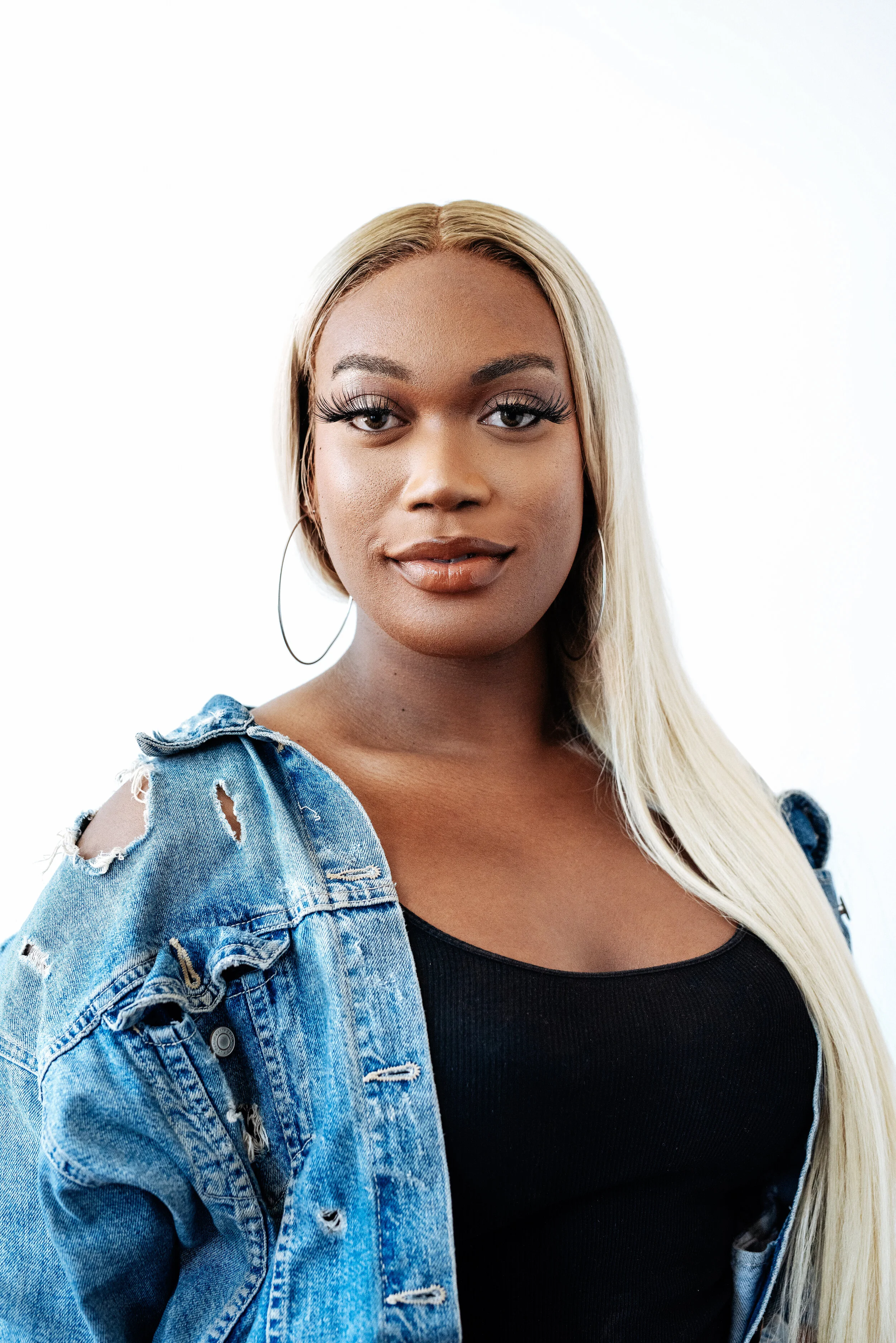
Jordyn Jay, photographed by Spencer Ostrander.
With a team of Black trans femmes, BTFA missions to create spaces and realities in which Black trans femme artists are at the center. “They will always have a place at BTFA,” Jordyn explains, and I believe her. Not just because of The List (the collective’s upcoming international database of Black trans femme artists), nor just because of their previous community collaborations with Black Trans Travel Fund, The Okra Project, and For the Gworls—it’s because Jordyn can imagine worlds in which we are funded and fed, joyful and abundant, respected and prioritized.
“[There’s] so much more to life than survival,” Jordyn tells me. I immediately think of the last lines from Audre Lorde’s A Litany for Survival: So it is better to speak / remembering / we were never meant to survive.
Historically, Black people have always reached towards new worlds, new presents, and new futures with our imaginations set on living without fear of violence. After a year as traumatic as 2020, during which Black people in the United States died from COVID-19 at almost twice the rate of white people and anti-trans violence against Black trans people was at an all-time high, it is powerful to be reminded by Jordyn that joy is possible. That within community, Black trans femmes are our most powerful selves.
At the end of 2020, I spoke with Jordyn about her journey to creating BTFA, how the collective has responded to the pandemic, and their exciting plans for the new year.
Oftentimes, artists have to put together these “professional” two-to-four-sentence bios, which tend to focus on the professional accomplishments and leave out the very important fabrics that make us who we are. How would you like to introduce yourself?
I'm originally from Jacksonville, Florida. Even though I've been living in New York for about five years now, I still identify as a Southern girl. I call myself an arts advocate because I believe in the power of the arts to shift not only our collective world, but also our individual worlds—that's what has always really excited me as someone who [uses] art to not only escape, but also to create new possibilities. I'm always interested in any opportunity I have to do that.
I'm still working on balancing a personal life outside of BTFA, but something that I'm really passionate about is makeup. It allows me to slow down, take time to focus on a task that makes me feel beautiful, express whatever I'm feeling, and bring out parts of me that might not be as present.
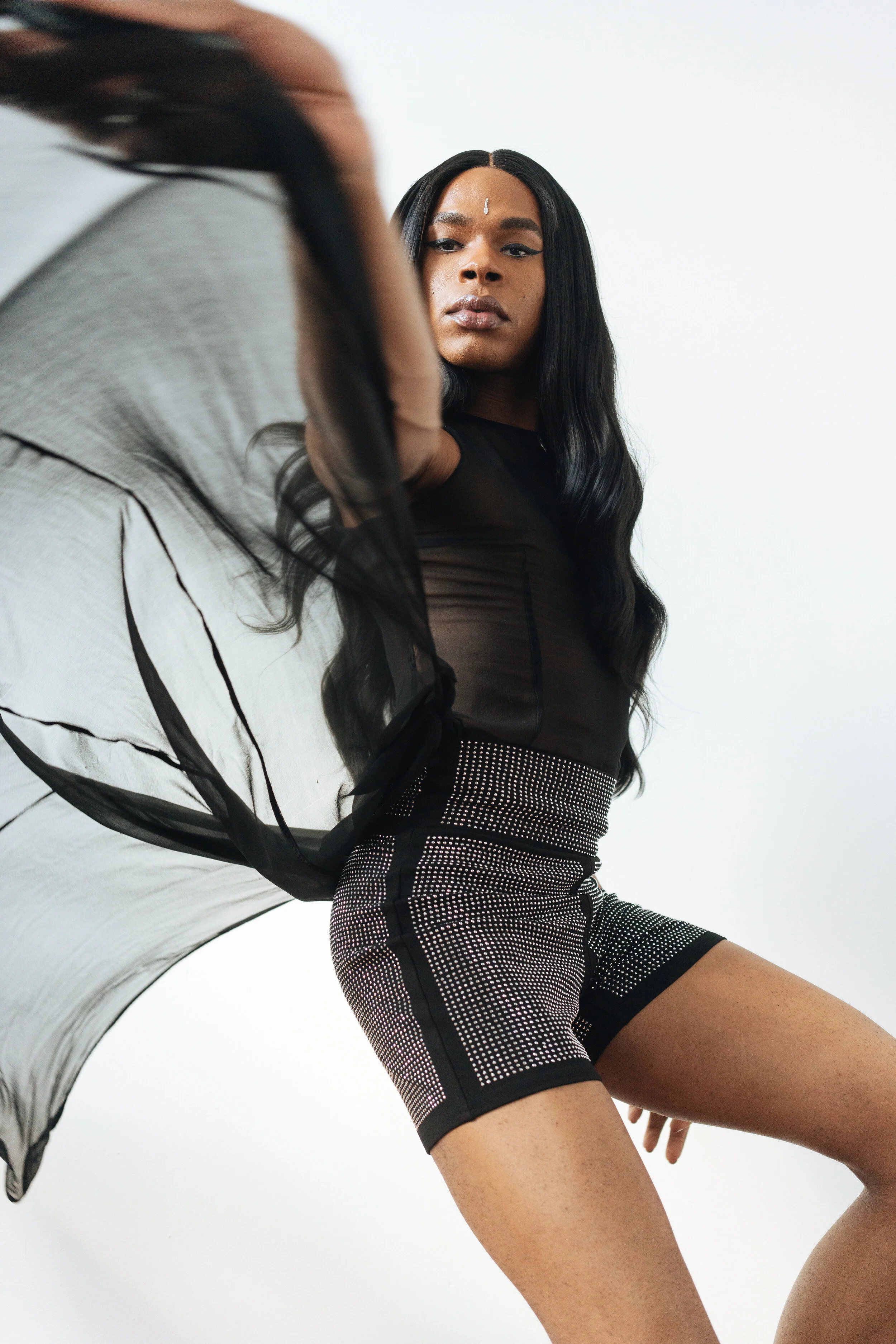
B. Hawk Snipes, photographed by Spencer Ostrander.
In 2019, you graduated from New York University with a master’s in Arts Politics. How did the work you did outside of the classroom influence or challenge the work required for your degrees?
I originally attended NYU as a theater major, studying directing at Playwrights Horizons Theater School. As that was happening, I was grappling with a lot of questions about my own identity—that happens to a lot of people who move to New York. I was also witnessing the Black Lives Matter movement happening around me and even close to home. Trayvon Martin was killed in Florida about two and a half hours from where I grew up. Jordan Davis was killed in my hometown at a gas station that I went to all the time.
I was constantly thinking about the ways in which my voice as a theater maker was being used and heard, and I didn't feel like there was space for that within my program. I started to feel alienated from the work I was doing because I felt like it wasn't in service. I felt like art has a greater potential than just the aesthetics—particularly the aesthetics of white art, which was what I was being indoctrinated into.
I transitioned to Gallatin [School of Individualized Studies] my sophomore year and created my own major, Imagining Abolition. It was about how we use the framework of coming from the arts and having an artist perspective to think about what prison abolition can really look like in practice. With that perspective, when I went into a community organizing space and I was often told, “Oh, that's not possible. That's not pragmatic,” I was like, “From an artist perspective, it is. We can create the world we want to live in.” That's what I tried to get at with my studies.
I loved being at Gallatin and had an amazing [academic] experience. I then decided to stay at NYU and get my master’s from Tisch [School of the Arts] in Arts Politics because I wanted to spend more time exploring how art and politics play together. During that time, I found love for curation and started planting the seeds that grew into BTFA.
Being able to forge my own path in my youth was a formative experience for me. I'm grateful to a lot of the professors that I had along the way who encouraged me to do things my own way and to not stick to NYU's rigid structures.
“There’s so much more to our existence and so much more to life than survival.”
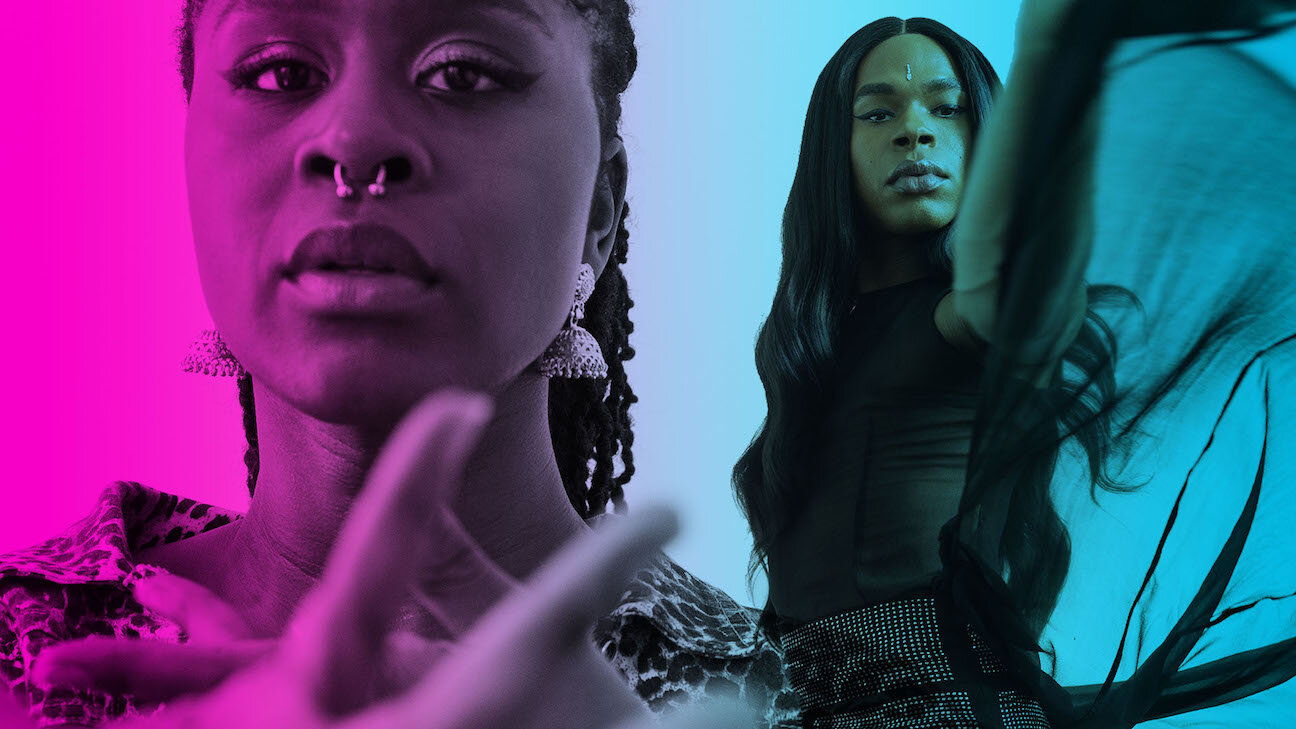
Morticia Godiva and B. Hawk Snipes, photographed by Spencer Ostrander.
It's September 2019, and something moves you to organize the first BTFA meetup. Walk me through what led you to decide, “Okay, we need to do this.”
[During] my masters program and right after I graduated, I worked on a health study for trans women of color in New York City. Through that work, I [started] meeting more trans people—prior to that, I only knew [maybe] two Black trans femmes who lived in New York City. I started to work with my coworker Gia Love, who now works at BTFA.
As I was meeting new people and asking them questions about their experiences with health, I kept thinking, “The Black trans femme experience is so much more robust than that. There's so much more to our existence and so much more to life than survival. I want to know those stories and those narratives.”
I had the idea, but I kept thinking, “Can I do this? I don't really know a lot of people.” Gia was like, “Just do it,” so I just created a flyer, posted on social media, and asked Gia to push it on her social media. I was expecting this big thing. I was like, “There are going to be all these people who’ll come out.” Then there was, I believe, a total of eight people there. I was kind of sad [at first], but hearing from those Black trans femmes [who felt] the need to be safe and to be in community—there was so much that needed to be released in that space.
People who lived in New York [said that] this was still the first time that they felt this type of community and that they felt that they were being centered in a community space. There was someone there who said that this was the first time that they had felt motivated and safe enough to leave their home, almost six months after a depressive episode. That's when I really realized that it was necessary to keep organizing. This could be something that continued on and built towards other things that I had never thought would be happening so soon.
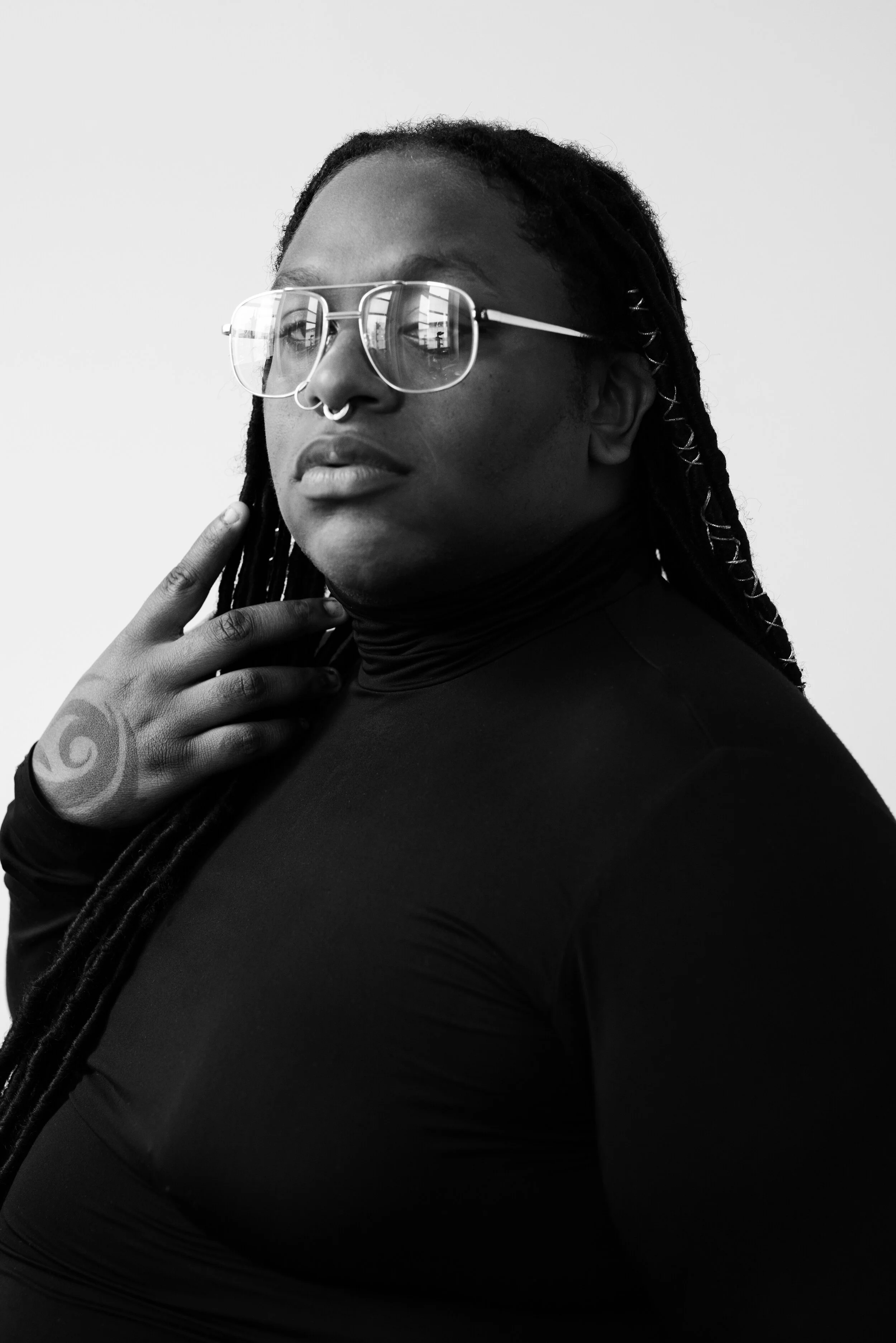
Mercy Kelly, photographed by Spencer Ostrander.
People tend to have this exceptional understanding of NYC being a trans utopia—a city where trans and nonbinary people can walk into any space and be treated equally. Can you speak to why BTFA is important to the local community in NYC, as well as at large?
It is very important to me. I was intentional in setting out to create something that was for Black trans femmes specifically. That's not to say that other Black trans folks or other trans folks don't need resources—they absolutely do, and I'm advocating for and working behind the scenes with those people—but having a space that is intentional about who it is for and sticking to that is what makes BTFA work. It's what keeps people in BTFA safe. That's what gives them the freedom to create.
There are so many of us who have experiences of trauma and violence—even within the trans community—and there's been a lot exposed recently of those cases of violence. Although I can never ensure everyone's safety—that's not something I'm able to do as one human being—I want to make it known who BTFA is for, and I want to make sure that Black trans femmes understand that they will always have a place at BTFA, regardless of their relationships with individuals within BTFA or their experiences at other trans or trans-serving organizations.
How is BTFA doing during the pandemic? What changes has the collective had to make?
BTFA has kind of blown up during this pandemic. I came up with the name BTFA Collective at the end of 2019 and created an Instagram. [At] the beginning of 2020, I started to organize with folks and create a planning committee to make sure that we were doing all that we could for the community. We had two fundraising events planned for the last week in March, and then COVID happened.
We shifted gears and put a lot of energy into our social media—clearly it paid off. We were able to receive nationwide and global recognition, and we were shared by a lot of celebrities, especially in relation to our Black trans protesters emergency fund. So it's been a really interesting time to have not only this organization changed, but also my life as the founder and director change, during this pandemic when there's so much loss, so many limitations, and so much anxiety about what's to come.
“ We gather in community—that’s where we feel safe.”
We have continued to do a few productions with social distancing and COVID-19 protocol, but with winter, I'm sure that those will slow down or even potentially grind to a halt. We've continued to support Black trans protesters and Black trans folks and artists in need through mutual aid, and we have also been working on sharing our stories on social media and building connections with people through social media—I think The T Talk, which was the brainchild of Mojo Disco, has been an amazing way for Black trans femmes to connect during this pandemic, [which has] been a very isolating experience.
For many of us, our homes are not always the safest places. We gather in community—that's where we feel safe—so it's been a really tough time for a lot of Black transplants. I'm really grateful that The T Talk has been a space for people in the community to be in conversation with each other, ki-ki together, and share space.
Also, people outside of the community [get] to see Black trans femme artists share their work—which is incredibly important and doesn't happen enough—and be humanized. There's so much dehumanization in representation, but what's important about BTFA is that the representation is happening from a Black trans femme perspective, so we ensure that you're not only seeing an artist, you're seeing a human being. You're seeing a person that you can connect with or relate to in some way.
That's been really the heart and soul of BTFA during this pandemic—the human connection through social media, through our artist meetups. [They] are always an amazing and humbling time for me to see how people are connecting virtually and sharing their work, sharing space, and sharing love.
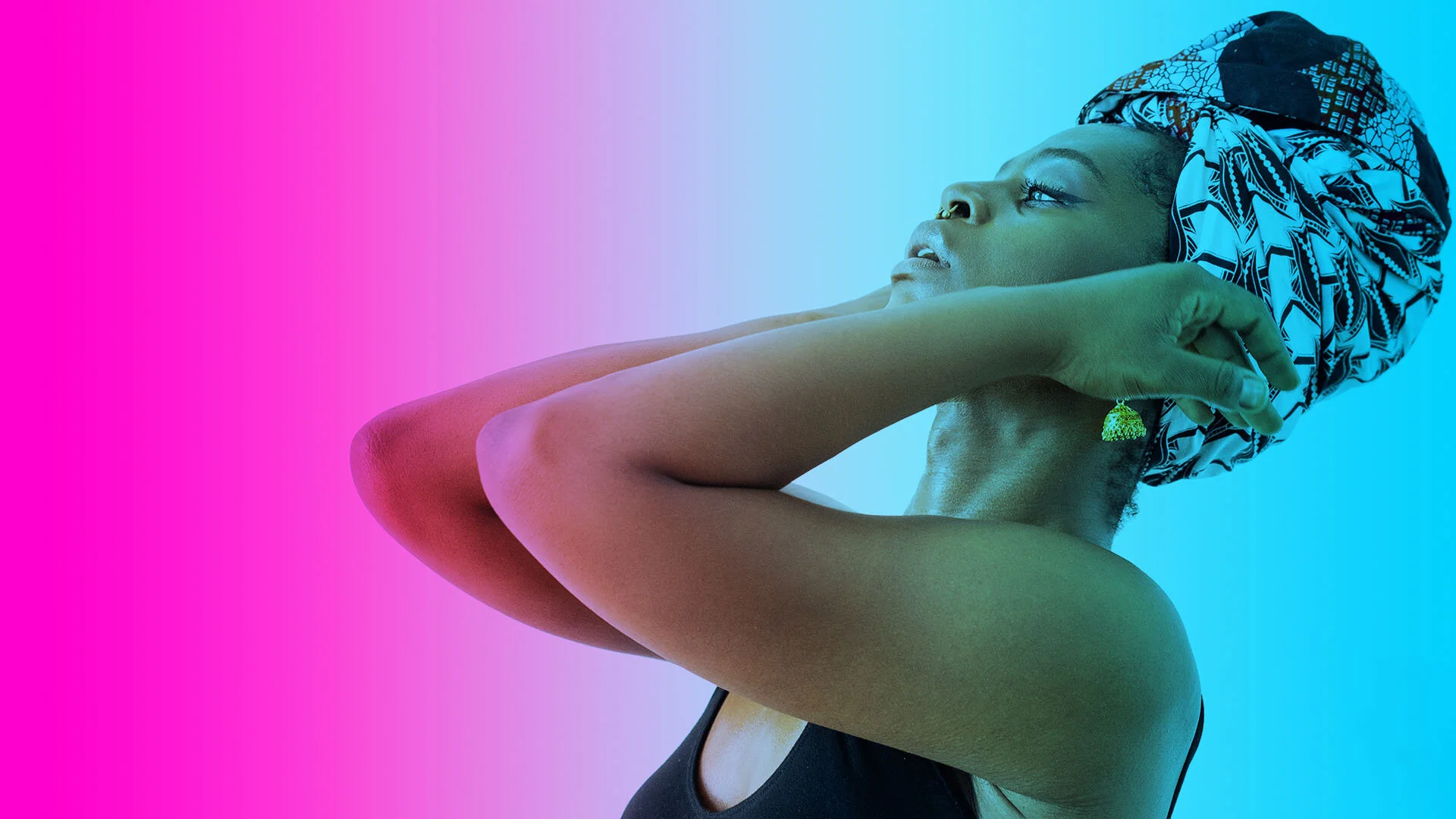
Morticia Godiva, photographed by Spencer Ostrander.
Can you tell me more about the artist collective and its upcoming project, The List?
The List is kind of an homage to how Black trans femmes have survived for decades—through Backpage and sex work—and bringing it into the arts. That directory will be public-facing on our website, so people who know BTFA but don't [personally] know Black trans femme artists can go to our website and find artists to support, book, commission, and share with their friends.
It's really important to me to make sure that Black trans femmes have a direct channel to support. I don't ever want there to be a situation in which people feel like I'm in control—or BTFA is in control—of their success as an artist. I don't want it to be like an agency, where they're giving to BTFA in order to be connected to gigs. I want the girls to get the work, so that's what the public directory is all about.
We also have a directory that we keep in-house of artists, institutions, organizations, and collectives who are willing to work with Black trans femme artists for free or for a discounted rate. [That way], when we're doing productions or when someone comes to us and says, “Hey, I need a rehearsal space for this dance piece I'm working on,” we can go through our directory. We haven't been able to use it as much as we would like because of the pandemic, but it's really going to be a vital resource as we continue to expand, do more productions in-house, and connect with more artists. Both of those directories are global—not even just national.
“I want the girls to get the work.”
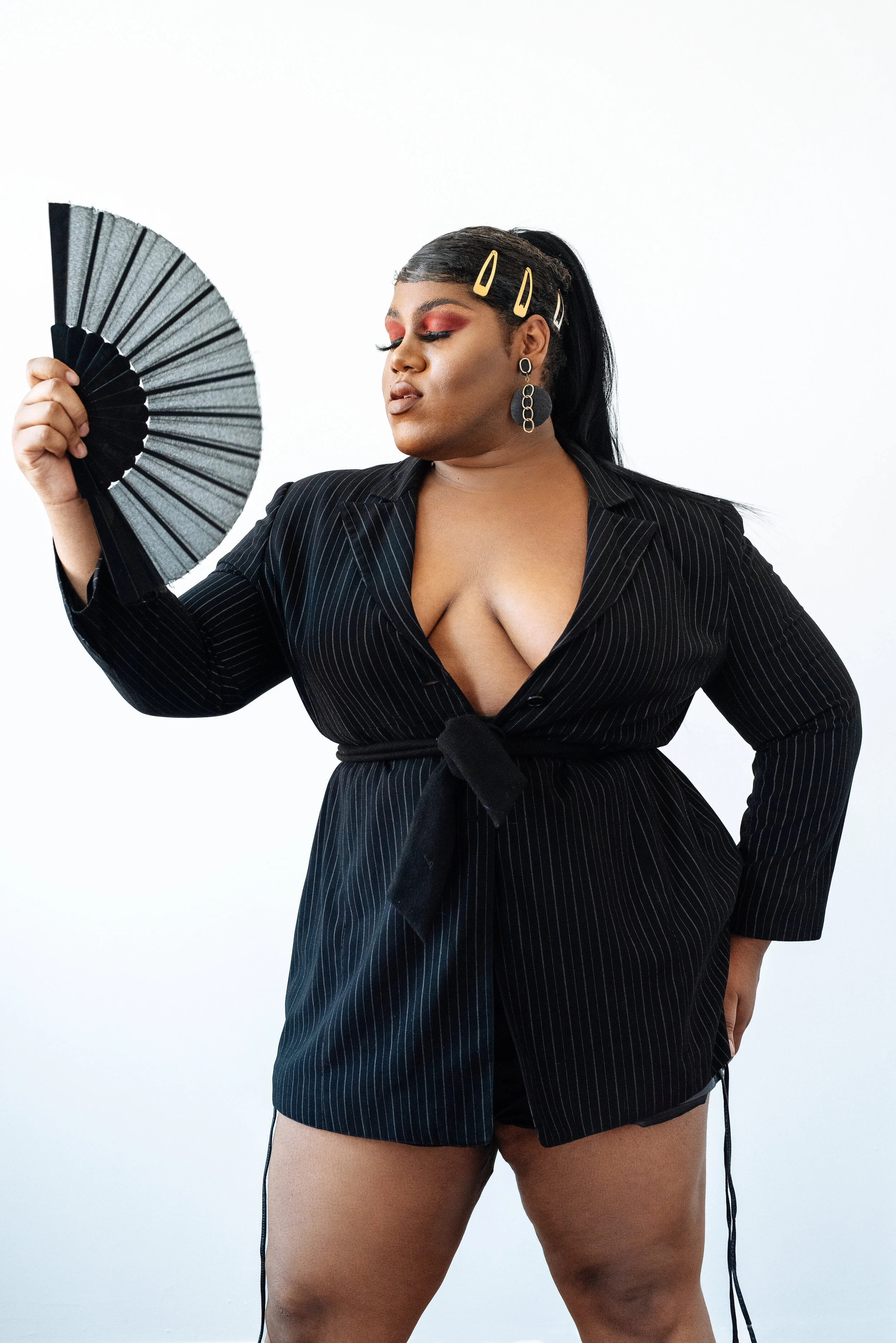
Miss Mojo, photographed by Spencer Ostrander
I’ve been thinking a lot about imagination—it takes the practice of imagination to survive as Black trans femmes in an anti-Black world—and I thought it was so fitting and beautiful that BTFA’s mission statement says, “We envision a world where Black trans femmes can create without limitations.” What does that world look like to you? What’s a world without limitations?
For me, the goal of BTFA is to make BTFA unnecessary. I want there to be a world in which there doesn't need to be resources that are directly allocated to Black trans femmes because they already have them—[the resources] are already there, built into the system that we live in and into the society that we live in. They are simply artists creating work. [Their] other identities inform their work and make their work beautiful, but [they don’t] define their work and [don’t] limit their work.
I'm always thinking about imagination. I was thinking about not only the future of BTFA or the future, but the future of me. When we have an equitable society, when BTFA isn't as necessary, when trans folks have resources, I think that my work on this Earth is always to invest in Black imaginations. There is so much power in the imagination and so much power in worldmaking.
Although I don't know where the world will go, I think that there will always be somewhere else for it to go. There will always be another world to imagine. I hope that I—and BTFA—can continue to make space for those imaginations and help bring those imaginations to fruition.
“I think that my work on this Earth is always to invest in Black imaginations.”
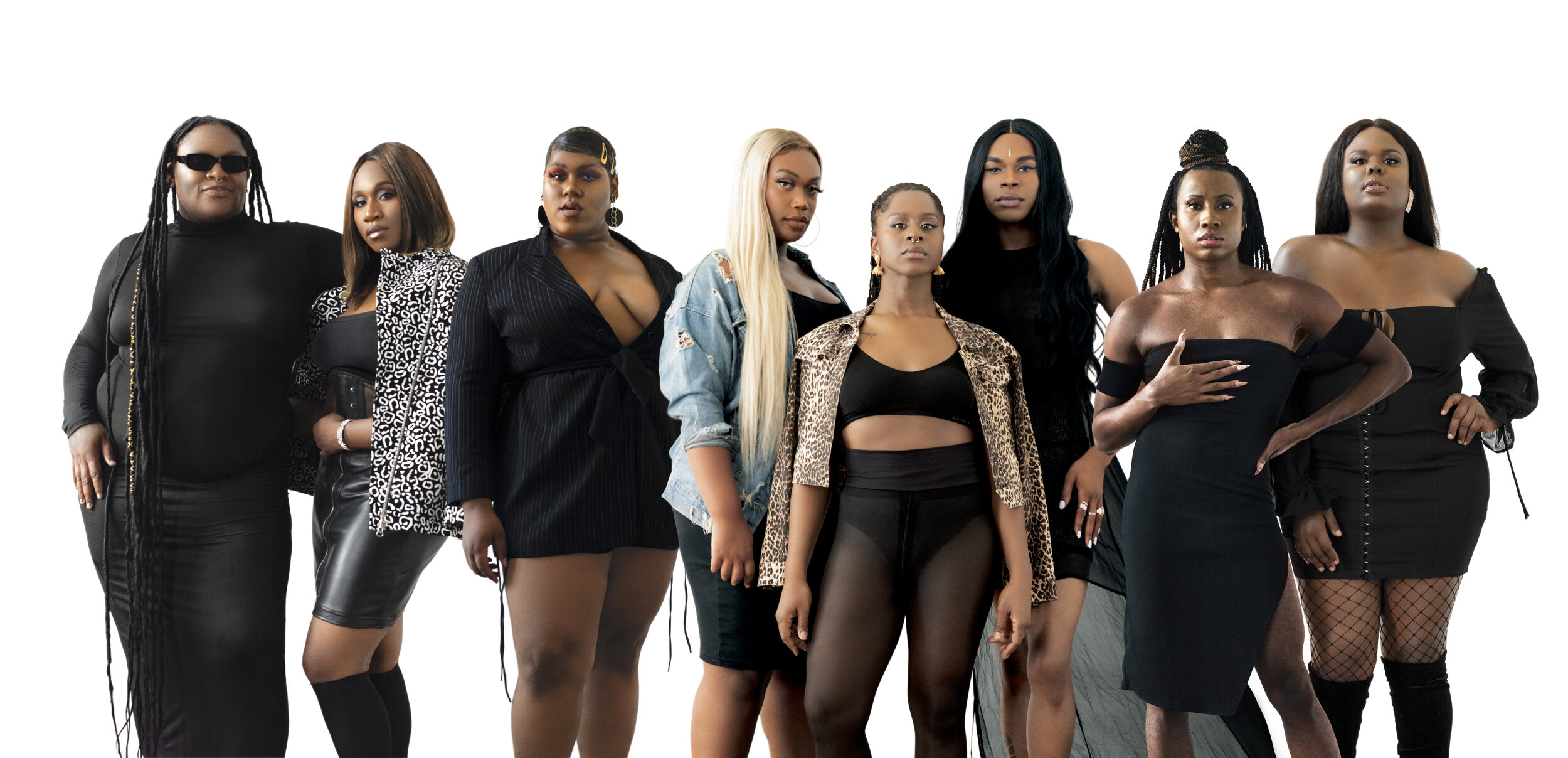
Mercy Kelly, Jonovia Chase, Miss Mojo, Jordyn Jay, Morticia Godiva, B. Hawk Snipes, Asanni Armon, and Gia Love, photographed by Spencer Ostrander