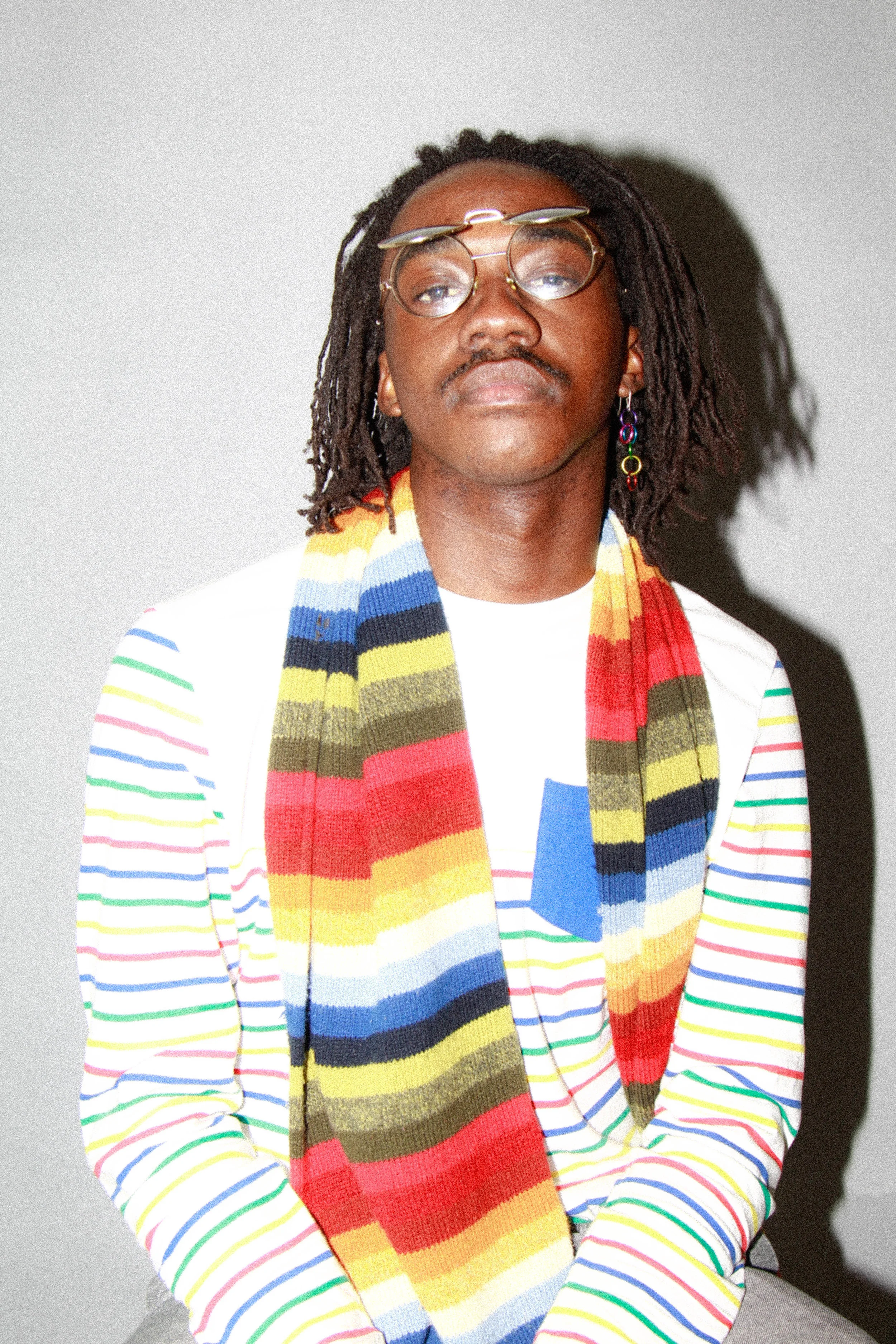
Part-time rapper, part-time prison abolitionist: Ric Wilson
By Chioma Nwana
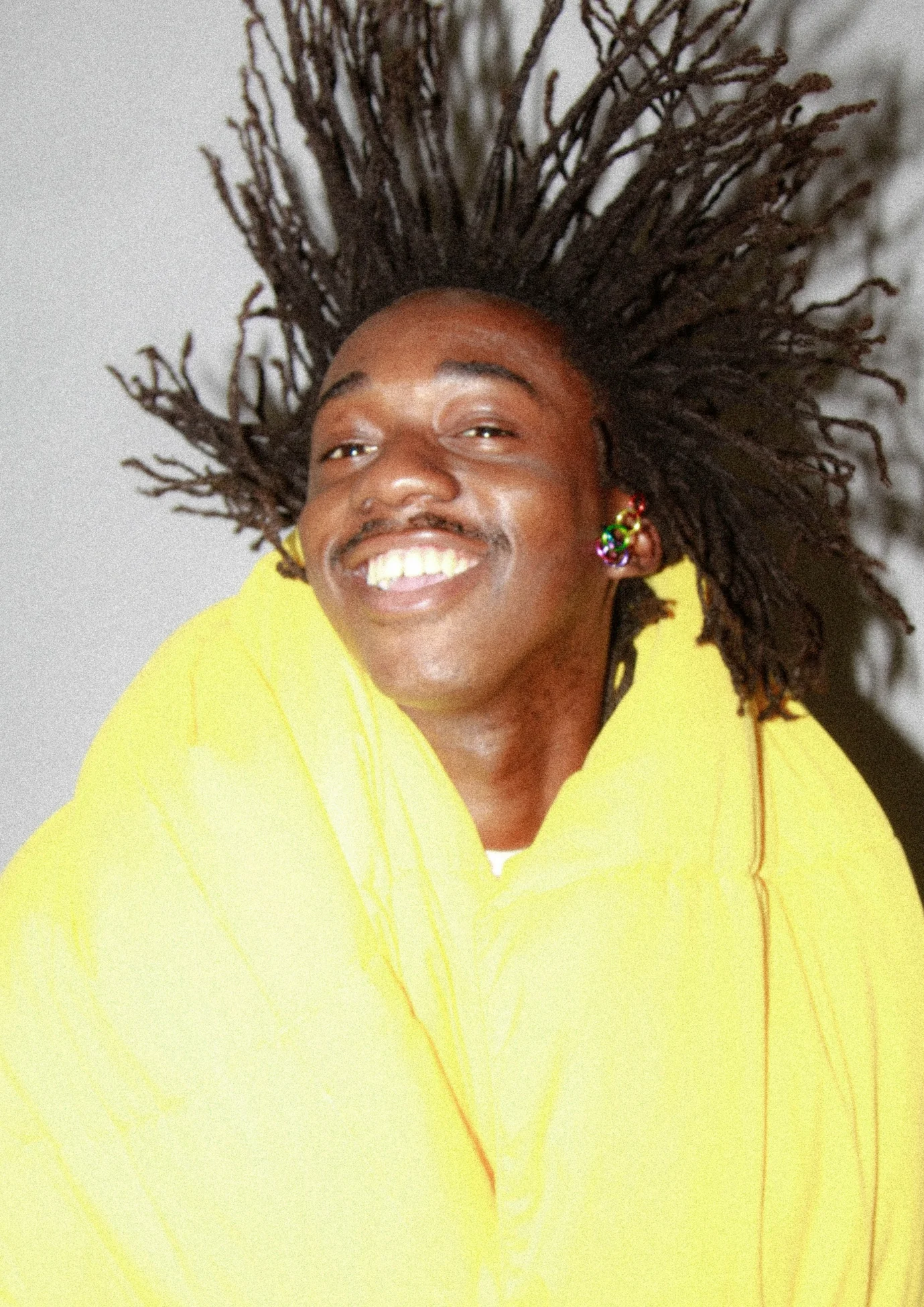
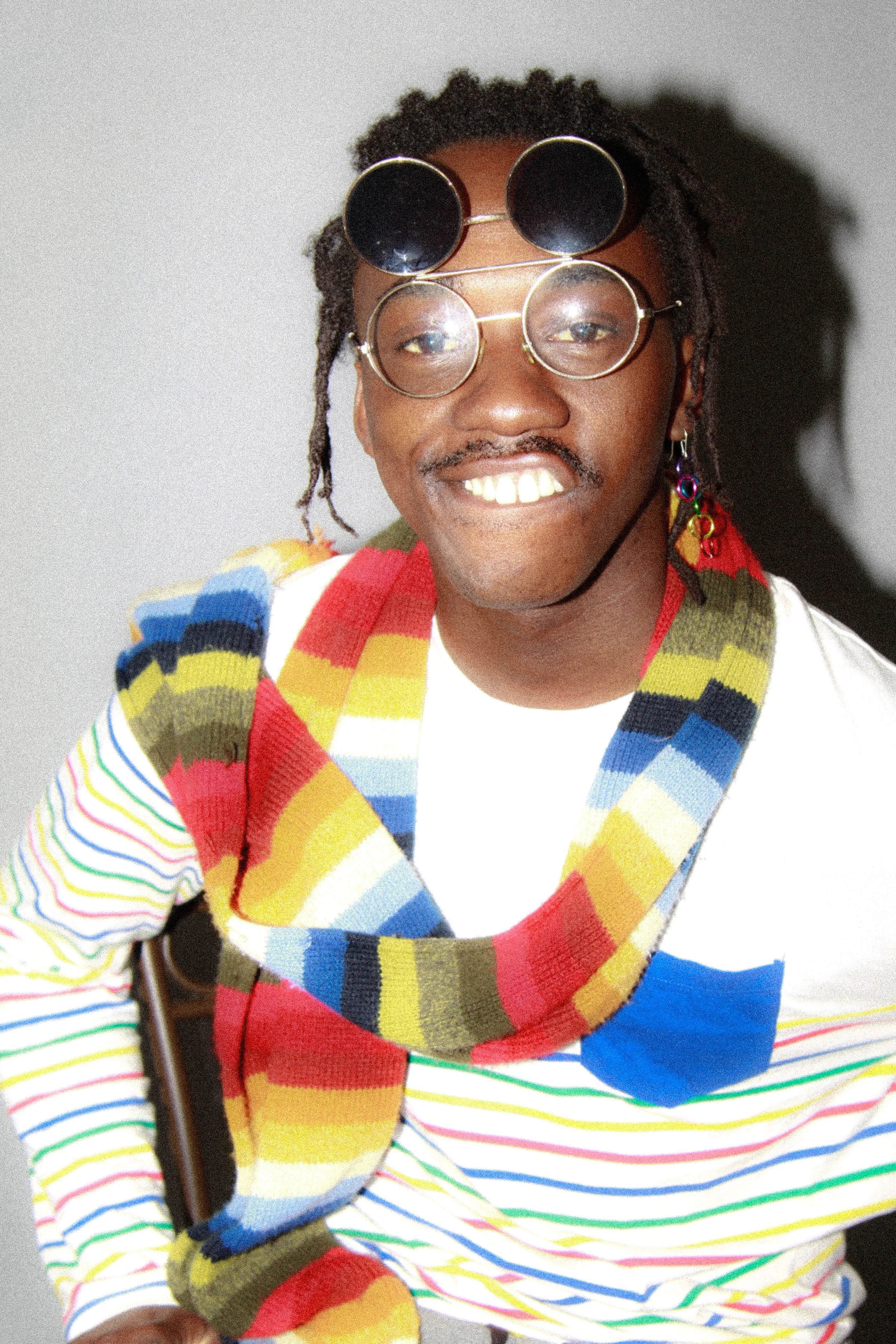
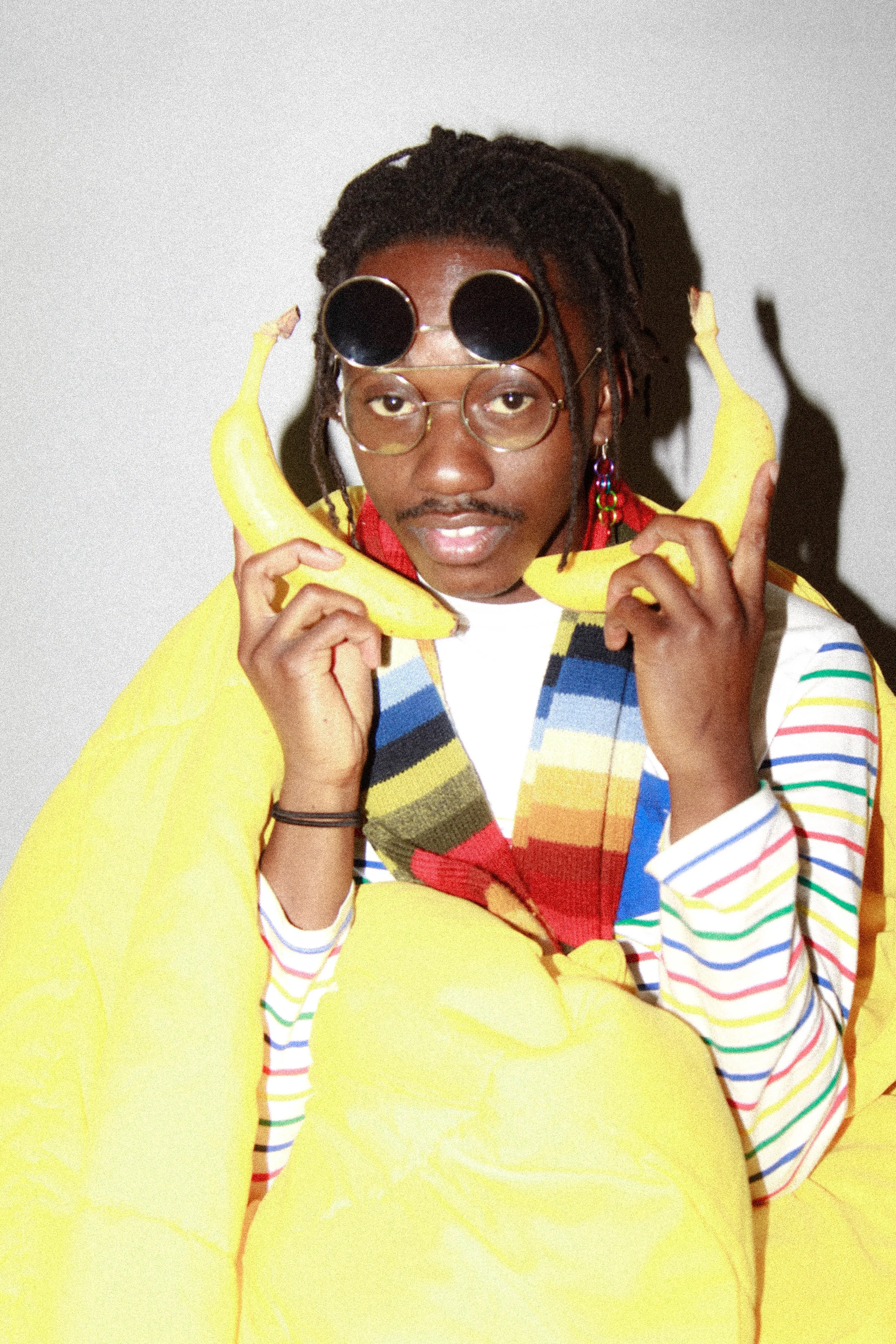
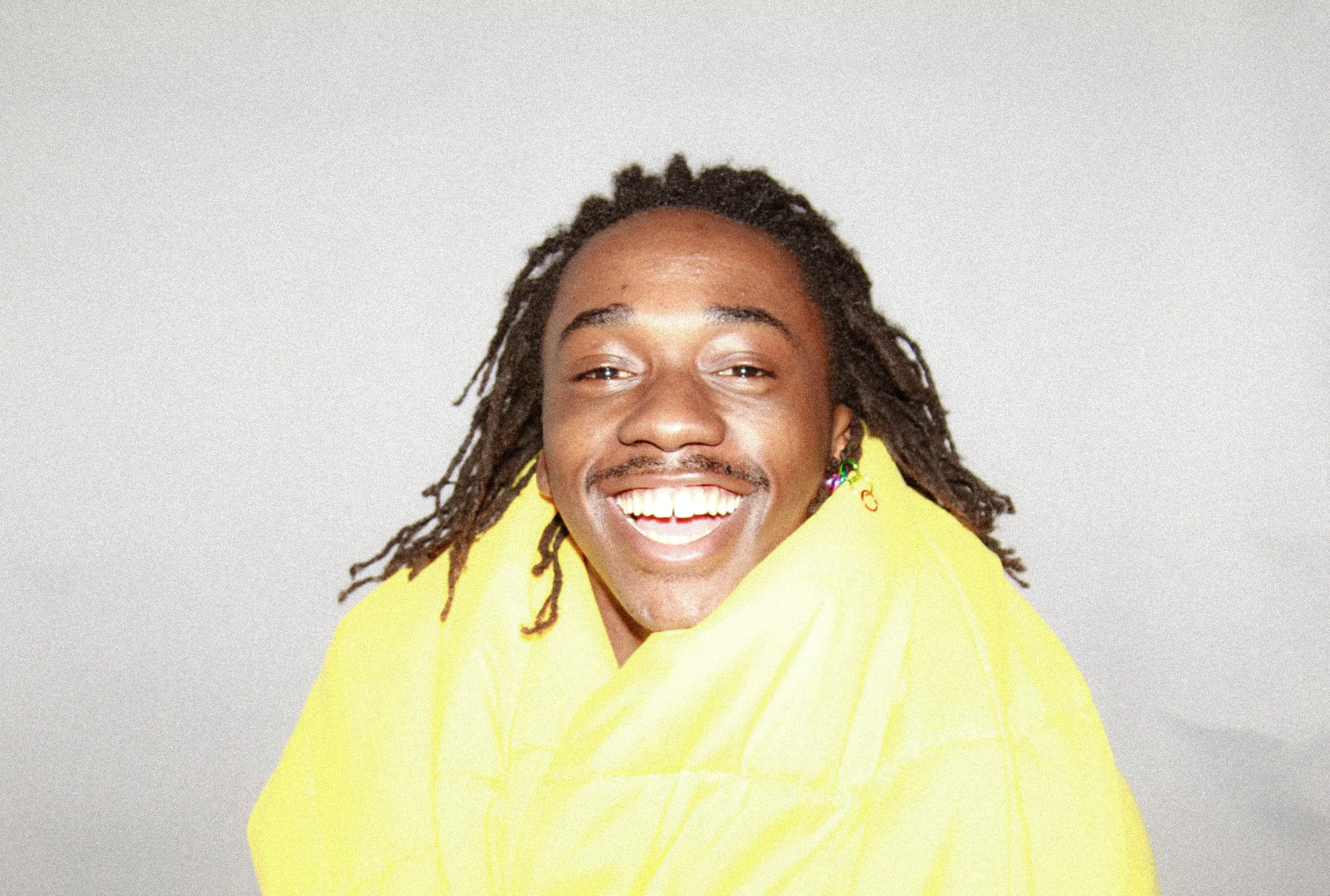
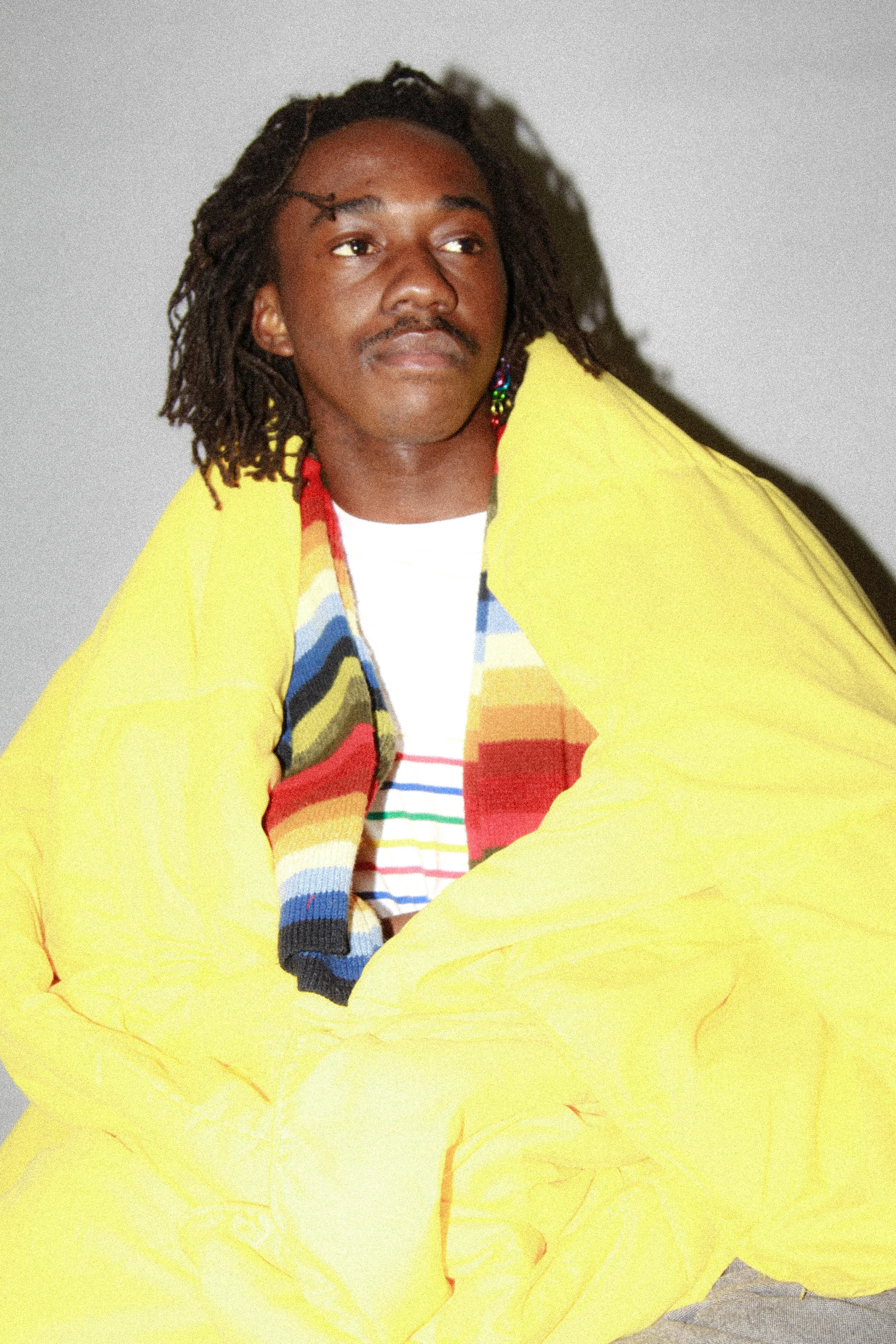
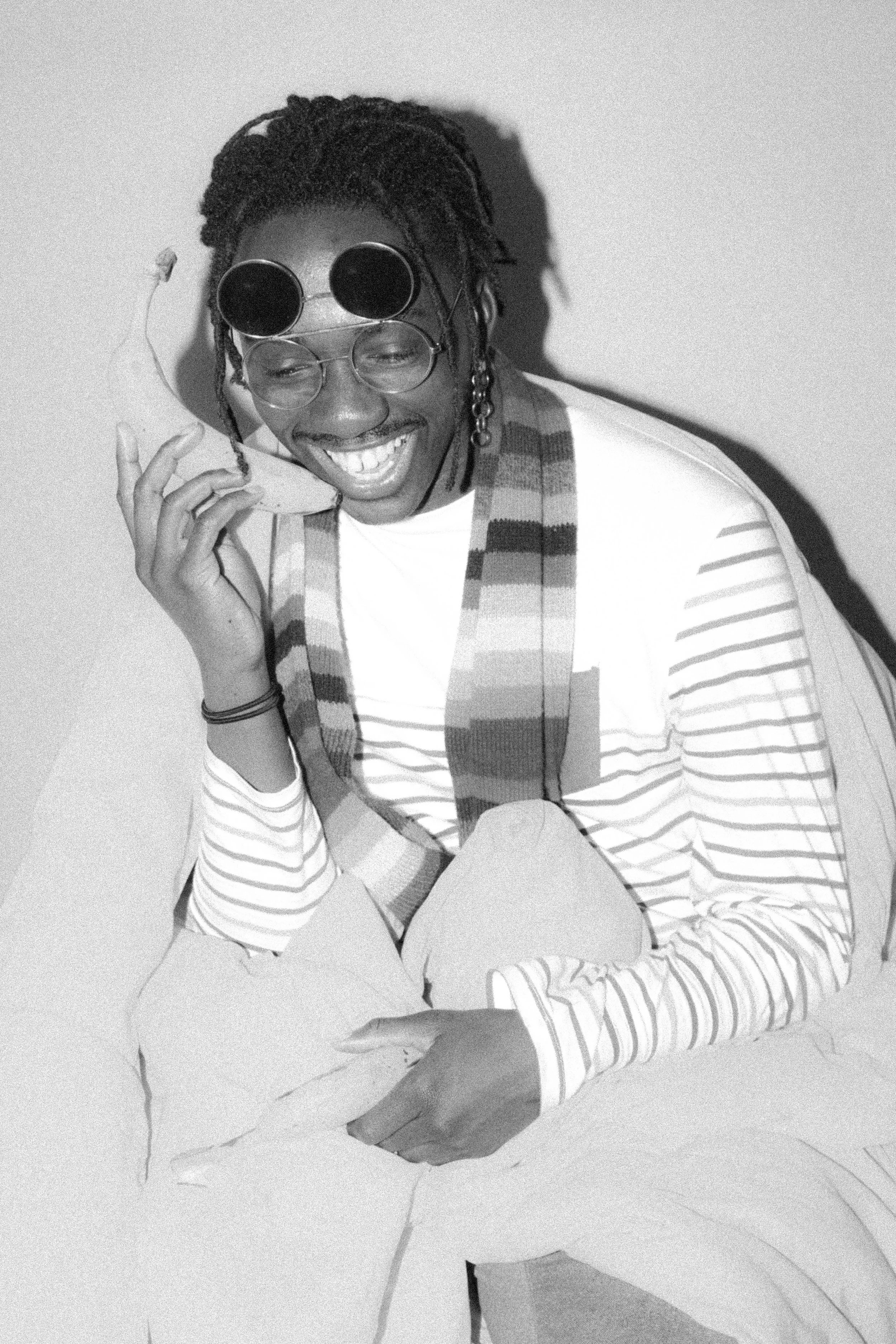
Ric Wilson, photographed by Chioma Nwana.
What’s your name, and where are you from?
I’m Ric Wilson, and I’m from the far south side of Chicago.
Far south side?
Past 95th Street all the way to the very very south suburbs like 175th Street. That’s where my radius extends. I went to high school in Blue Island, so I went to high school in the south ‘burbs.
Did you like it there?
Yeah. It’s the shit. Well, no. It fucking sucked, but not “bad” sucked. It’s just like, everyone thinks that high school sucks when they go in—well most people. But after I got older, I realized, “Nah, this was a good thing I experienced.” If I woulda went to a high school that’s super privileged, I wouldn’t appreciate a lot of things that I appreciate now.
You just got back from SXSW last night. Are you on a high? How was it?
It was okay. I saw a lot of rock and indie-pop stuff. I wish I would’ve seen more rap stuff, but it was good. I just realized how privileged I am to have the opportunities that are coming to me because I saw a lot of people out there that would probably kill to have the opportunities that I got now. Then I also was looking like, “Damn I’m not trying hard enough.” I saw like this crew of dudes, and they had QR codes on their shirts, so you could scan their shirts and find their music. I saw teams of people out there with matching shirts walking down the street, just repping their homie—like their homie’s name was on the shirt. I saw this dude with a full cutout of himself, just carrying it. This dude had pizza, and if you followed him, he gave you a slice of pizza. I just saw people doing the most and I was like, “Damn I feel like I ain’t doing enough.” But I got stuff coming.
What’s next on the list? Where else do you want to perform?
I got an EP coming. It’s gonna be the first one that isn’t self-released, and it’s gonna be this Spring because I got a headline at Lincoln Hall on June 2nd. It’s in Chicago. It’s this 500-person capacity venue. I’m excited that I might be able to sell it out because I just did a 400-person venue in January.
You sold it out?
Yeah, like a couple hours before doors opened.
Your most recent project, the “Negrow Disco” EP, came out last year. What inspired the disco vibes? What inspired the sound?
I engineer and mix all my music. Some old Black dude told me my song “Soul Bounce” had a disco feel to it. He told me, “Yeah man, you representing that disco culture when it first started,” so I dug into it. I started looking at how disco got appropriated. It got appropriated by white men, but particularly gay white men. They started appropriating the fuck out of disco even though it started from, you know, LGBTQ+ Black and Brown folks who were outcast from society—that’s how disco started. Then these white dudes came and appropriated it and created… What’s that shit? “Saturday Night Fever. “That shit was wack as fuck. Then like the Bee Gees happened—I fuck with the Bee Gees, but they were a result of appropriation. Then when all these rock dudes heard about it, they just saw the gay white dudes singing disco, and they was already homophobic, so they had the Death of Disco event in Comiskey Park in Chicago, actually. I think in the 70’s. They had an actual event where they bought all these disco records and blew them up. I was like, “Damn, y’all niggas was just out here like hella homophobic.” So when I researched where disco came from and was like “Damn, I want this to be the community that my music represents.” So that’s why I named it “Negrow Disco,” and then I put the “w” on it because I was growing in my sound. Plus I didn’t want a whole lot of white people saying “Negro Disco.” Because you know once they think they can say “nigga,” they just run with it.
I was listening to some of your older songs from 2016, and despite the evident growth and maturity that’s happened over time, it still seems like you’ve maintained somewhat of a consistent sound. Can you speak to that?
I don’t even know. People be telling me it’s all happy. I never even noticed it was happy. I was telling people at SXSW that I do funk-rap.
You’re not currently signed to a label. What’s been your experience as an unsigned music artist? Do you think you’ll stay unsigned? Or is the goal to to sign soon?
If it’s a situation that makes sense to get signed, then yeah. Everything is about the situation. I’m not deaf to anything. I gotta keep myself open. And also, I’m actually indie right now. It’s just me, [my manager] Wesley, and my lawyer. It’s not like a team. Wesley doesn’t have a lot of money, and I don’t either. We just get up and go. It’ll get bigger at some point, but until then, it’s just us.
On your social media, you’ve committed yourself to the positive, happy, #CareFreeBlackBoy aesthetic. How do you maintain that attitude? Is it easy? What’s your self-care regimen?
I’m laughing because I am happy, but I’ve been getting mad recently. I can be mad, but I can’t make mad music. I tried to work on this project, and I wanted to try and make it like a downer—plus it was in the winter and shit. But it was still happy as fuck. I was mad as fuck when I got here, but it’s okay because I’m happy now. I’ll be mad when I get out of here.
You call yourself a prison abolitionist, and you often reference it in your music. What is your ideal alternative to prison?
Restoring justice practices. Say this person does harm to somebody else in the community. We ask the person the harm was done to what they want, and we figure out how to help their healing process. I think that can be way more transformative than prison. Restoring justice can be a lot of things. There’s a wide spectrum of things that we can talk about or mention. There’s a lot of shit we can do, like not go to these schools that set us up for prison. And there’s the privatization of schools which is fucked up too. There’s a lot of things that we can teach in school. As long as the culture is racist, classist, and homophobic, it’s gonna lead to that no matter what. We will always have the school-to-prison pipelines unless that culture progresses.
Lastly, how has Chicago influenced your sound? How has it influenced your style? Do you feel like you get enough support?
I feel like the people of Chicago support me, yeah. There’s an actual black culture in the cities and these communities, and I feel like Chicago’s black culture is very bold and cocky. I feel like that kinda like transcends into how I came to be.